First Home Buyers Are Leading the New Zealand Property Market
Despite rising rate expectations and global uncertainty, first home buyers are entering the New Zealand property market in near-record numbers — and they're not just getting a foot in the door, they're getting the home they actually wanted.
The Numbers Tell the Story
First home buyers accounted for 27.5% of all property sales in Q1 2026, just shy of the all-time record of 28.2% set in Q4 2025. Over the past 12 months, first home buyers purchased around 24,800 properties — the highest annual total since 2021.
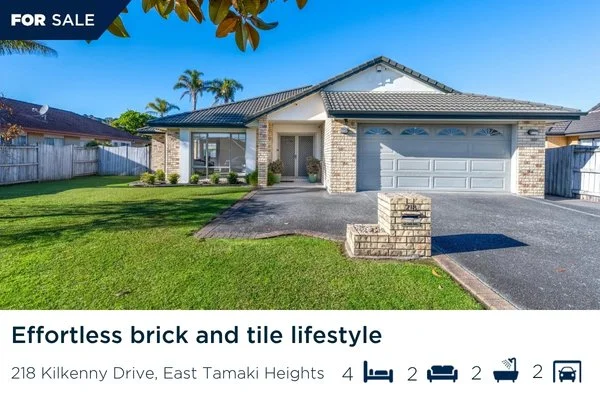
What's particularly striking is the quality of those purchases. Nearly 77% of first home buyer purchases were standalone houses, not apartments or townhouses. That's the highest share since 2020.
The median entry price sits at $720,000, up slightly from $700,000 in 2025 but still well below the Q1 2022 peak of $740,000. And while that figure might sound steep, the typical first home buyer isn't hunting for bargains at the bottom of the market — they're entering above the all-buyer lower quartile figure of $600,000, suggesting they're securing genuinely good properties in a quieter market.
Why Now Is Working in Their Favour
A few forces are converging to make this moment unusually accessible for first home buyers.
Less competition. Investor activity has dropped sharply. A net 48% of mortgage advisers are currently seeing fewer investors seeking advice, with conditions broadly returning to where they were in 2022. That means less competition at auctions and more time to make considered decisions.
More stock. A softer market means more properties to choose from, giving buyers greater negotiating power and less pressure to overpay.
Lower repayments. Monthly repayments are around $130 lower than a year ago outside Auckland, and approximately $820 lower than 2024 levels. In Auckland, the monthly saving compared to a year ago is closer to $180, and roughly $1,100 lower than 2024.
Banks competing for their business. Lenders are actively courting first home buyers, with at least one bank offering a 5% deposit option outside Kāinga Ora. KiwiSaver access continues to play an important role in bridging the deposit gap, and average loan-to-value ratios have risen to 81% nationally — meaning more than half of first home buyer loans are now written with less than a 20% deposit.
Who's Buying and Where
The average age of first home buyers nudged down from 36 to 35 last year, though Auckland buyers tend to be older at around 37. Wellington is leading the country for first home buyer market share, with 37% of sales in Q1 2026 going to first home buyers — eight percentage points above its historical average. Auckland sits at 30%, Hamilton at 33%, and Tauranga at 23%.
Cotality chief property economist Kelvin Davidson summed it up well: lower property values and reduced mortgage costs have translated directly into activity, and first home buyers are not just holding their ground — they're securing the type of property they want.
A Window That May Not Stay Open
The conditions driving this activity won't last indefinitely. The OCR currently sits at 2.25%, but inflation expectations have climbed sharply and markets are pricing in rate hikes ahead. Fixed mortgage rates have already begun rising from their late-2025 lows, and the rate environment facing anyone coming off a fixed term in the next six months is meaningfully different from what borrowers experienced 12 to 18 months ago.
For those who have been watching and waiting, the data suggests the window is open — but the picture could look quite different by the end of the year.